


Introduction
Moving day marks an exciting new chapter, but it can often feel like a whirlwind of activity. The key to a stress-free experience is understanding what happens from start to finish. This guide will walk you through every step of your upcoming move, transforming potential chaos into an organized and efficient process. You’ll learn how to prepare, what to expect when your moving company arrives, and how to settle into your new home with ease. Let’s get you ready for a successful move!
Understanding Moving Day in Brisbane, Queensland, Australia
Moving day in Brisbane, Queensland, has its own unique rhythm. The beautiful weather is a major benefit, but it also means you might need to plan around heat and humidity, especially in the summer. Scheduling your move to avoid the peak heat of the day is a smart strategy.
Working with a local moving company that knows Brisbane is essential. They’ll be familiar with the best routes, traffic patterns, and building access rules, ensuring your transition to your new home and community is as smooth as possible.
Typical Timeline for Moving Day Activities
Having a game plan with a clear timeline can make your moving day feel much more manageable. While every move is different, a typical day follows a predictable pattern from early morning until the moving truck departs your new home. Knowing the expected arrival times and key activities helps you stay on track.
This schedule gives you a framework for your day. Remember to build in some flexibility, as things like traffic or building access can affect the timing.
|
Time |
Activity |
|---|---|
|
7:00 AM – 8:00 AM |
Wake up, have a quick breakfast, and do a final check of your home. |
|
8:00 AM – 9:00 AM |
Movers arrive. Greet them and conduct a walkthrough of your home. |
|
9:00 AM – 12:00 PM |
Supervise the loading of the moving truck, answering any questions. |
|
12:00 PM – 1:00 PM |
Conduct a final walkthrough of your old property and lock up. |
|
1:00 PM – 3:00 PM |
Travel to your new home. |
|
3:00 PM – 6:00 PM |
Direct movers as they unload and place furniture and boxes. |
|
6:00 PM – 7:00 PM |
Do a final check, sign paperwork, and say goodbye to the movers. |
Key Milestones and Stages to Expect
Your moving day is marked by several key milestones that signify progress. Recognizing these stages helps you track your day and feel a sense of accomplishment as each one is completed. From the arrival of the movers to settling in for your first night, each step brings you closer to being fully moved into your new home.
These milestones break down the big day into smaller, more manageable parts. The process starts with getting everything out of your old place and ends with the initial setup at your new one. Being prepared for each stage is crucial for a smooth transition.
Key milestones include:
- Movers’ Arrival and Briefing: The official start of the move, where you align with the moving team.
- Loading Completion: All your belongings, including major furniture pieces, are securely on the truck.
- Final Walkthrough and Departure: Your last check of the old property before heading to the new one.
- First Night Setup: Unpacking essentials to make your first night comfortable.
Common Challenges Faced During Relocation
Even with a perfect moving checklist, the moving process can present some challenges. One of the most common pitfalls is underestimating how much time and effort the day will require. This can lead to a frantic rush, increasing the risk of damaging fragile items or even causing injury.
Another frequent issue is not being completely packed when the professional movers arrive. This not only causes delays but can also add to your final bill if the crew has to wait or assist with last-minute packing. Proper preparation is your best defense against these common problems.
To avoid these issues, be sure to:
- Finish all packing before moving day.
- Clearly label all boxes, especially those with fragile items.
- Do a final walkthrough of your old home to ensure nothing is left behind.
- Protect floors and doorways from potential scuffs and damage.
Preparing for Moving Day: What You Need to Get Started
A successful moving day begins long before the truck arrives. The right preparation ensures you have everything you need on hand, which minimizes stress and last-minute panic. This starts with creating a comprehensive moving checklist, finalizing your packing process, and getting all necessary documents and supplies in order.
One of the most important preparation steps is packing an essentials box. This box will contain everything you need for the first 24 hours in your new home. The following sections will detail the equipment you’ll need and how to organize your most important items.
Essential Equipment and Supplies Checklist
Having the right essential equipment and supplies on hand can be a game-changer on moving day. While your movers will bring the heavy-duty gear, a personal toolkit for small tasks is incredibly useful. This includes items for last-minute disassembly and cleaning supplies for a final wipe-down.
Your personal supply kit should focus on convenience and immediate needs. Don’t forget snacks and water to keep your energy levels up throughout the day. Crucially, make sure your essentials box is kept with you and not loaded onto the moving van. Before you label boxes and finalize the packing process, gather your supplies.
Here are some must-have items:
- Box cutter, screwdrivers, and Allen keys
- Trash bags and paper towels
- Phone charger, wallet, and keys
- Bottled water and easy-to-eat snacks
- All-purpose cleaner and cleaning cloths
- Permanent markers for last-minute labeling
Creating a Moving Day Essentials Kit
One of the smartest things you can do is pack a moving day essentials box. This is a clearly marked container that travels with you, not on the truck. It holds everything you’ll need for your first night and the next morning, so you aren’t digging through countless boxes after an exhausting day.
Think of it as an overnight bag for your whole family. The goal is to have immediate access to items that provide comfort and functionality. This includes basic toiletries, a change of clothes, and any important documents you need to keep secure.
Your essentials box should contain:
- Toilet paper, soap, and towels
- Medications and phone chargers
- A fresh change of clothes for everyone
- Snacks, bottled water, and pet food
- Important documents related to your move
Organizing Documents and Important Items
Losing track of important documents during a move is a major headache you can easily avoid. Before things get hectic, gather all your critical paperwork and keep it in a secure, accessible place. Consider scanning physical documents to cloud storage as a backup.
These items should never be packed on the moving truck. Keep them with you in your personal vehicle. This includes personal identification, financial records, and documents related to your move, your new home, and your family’s needs. Having them on hand means you can access them instantly if needed.
Organize and protect these key items:
- Personal IDs: Passports, birth certificates, and social security cards.
- Household Records: Lease/closing papers, moving contracts, and contact information for your insurance company.
- Family Information: Medical records and transfer documents from your current school.
Night Before Moving Day: Setting Up for Success
The night before moving day is your final opportunity to set the stage for a smooth transition. What you accomplish now can make a world of difference tomorrow. This is the time to finalize the packing process, confirm key details, and ensure you’re ready for an early start.
Go over your moving checklist one last time and do a quick walkthrough to catch anything you might have missed. It’s a good idea to have your new address and important phone numbers readily available. A calm, organized evening will pave the way for a much less stressful morning.
Final Packing and Labelling Tips
Proper organization on the eve of your move is crucial for an efficient packing process. Your main goal is to make unpacking as straightforward as possible. Clearly label boxes with the destination room and a brief summary of the contents. This simple step prevents the chaos of opening every box to find one specific item.
Using a color-coding system with stickers can also help you and the movers quickly identify where each box goes. As you finish packing, consolidate similar items to make unpacking easier. Ensure any boxes with fragile items are clearly marked and set aside to be loaded with extra care.
Here are a few final tips:
- Double-check that all boxes are securely taped and not overpacked to remain in good condition.
- Use a separate, labeled bag for screws and hardware from disassembled furniture.
- Pack a “First Day” box with kitchen and bathroom essentials.
- Keep an inventory list to check off boxes as they are loaded and unloaded.
Preparing Your Home for Movers
To help your professional movers work safely and efficiently, it’s important to prepare your home for their arrival. The most critical step is to create clear pathways. Remove any obstacles like rugs, toys, or stray boxes from hallways, stairs, and other high-traffic areas to prevent trips and delays.
If you have items going to different locations, such as a storage unit, group them together and label them clearly. Point these groups out to the movers when they arrive to avoid any confusion. Also, clear any outdoor areas to ensure there is an unobstructed path to the moving truck.
Before the movers get there:
- Decide which personal items you will transport yourself and move them to your car.
- Protect floors and doorways in high-traffic areas.
- Ensure there is a clear and safe parking spot for the moving truck.
- Point out any fragile or particularly heavy items.
Confirming Details with Removalist Company
A quick confirmation call to your moving company the day before your move date can provide significant peace of mind. This is your chance to double-check all the critical details and ensure everyone is on the same page for the big day. Verify the arrival times, addresses, and the services you’ve scheduled.
Have your contract handy during the call and confirm the contact information for the moving team leader. This is also a good moment to ask any last-minute questions you might have about payment or the process. Reputable movers, often accredited by the Better Business Bureau, expect and welcome this communication.
Key details to confirm include:
- The exact arrival time of the crew.
- Both the old and new addresses.
- The name and phone number of your move coordinator or team leader.
Morning of Moving Day: Getting Ready Early
The morning of moving day has arrived! Starting your day early is a good time to get ahead and set a calm, organized tone. An early morning start gives you a buffer for any unexpected delays and allows you to complete final tasks before the movers arrive. With the right preparation, you can feel in control.
Use this quiet time to have a nourishing breakfast, review your plan, and prepare your household for the busy day ahead. Ensuring everyone is ready before the action begins is key to a smooth transition to your new location.
Morning Preparation Checklist
Your moving checklist for the morning should focus on getting yourself and your home ready for action. Having a simple game plan helps you stay focused amidst the controlled chaos. Start with personal preparations to ensure you’re energized and ready for the day.
Once you’re ready, turn your attention to the house. Do a final sweep to make sure everything is packed and pathways are clear. Grab your essentials box and place it by the door so it doesn’t accidentally get loaded onto the truck. A little organization now goes a long way.
Here’s a quick morning checklist:
- Get up early and have a good breakfast and coffee.
- Get dressed in comfortable clothes and shoes.
- Pack a cooler with water and snacks for the day.
- Charge all phones and electronic devices.
- Keep your essentials box and important documents in a designated spot.
- Review your moving day plan one last time.
Protecting High-Traffic Areas and Entryways
One of the most overlooked morning tasks is protecting your home’s high-traffic areas. With movers going in and out all day, floors, door frames, and walls are susceptible to scuffs and scratches. Taking a few minutes to protect these surfaces can save you from costly repairs or losing your security deposit.
Professional movers often come with their own protective gear, but it’s wise to have your own supplies ready. You should apply this protection at both your old home and your new home before the unloading begins. This ensures both properties remain in good condition throughout the move.
Simple ways to protect your home include:
- Laying down cardboard or old blankets on floors in main pathways.
- Taping padding to door frames and tight corners.
- Covering bannisters if you have stairs.
Setting Up Your Command Station
Designating a “command station” is the best way to stay organized on a hectic moving day. This is a central spot where you can keep all your critical items in one place, preventing them from getting lost in the shuffle. A kitchen counter or a small table in a low-traffic area works perfectly.
Your command station should hold your moving checklist, important documents, phone chargers, and contact information for your moving company. Having everything you need at your fingertips allows you to answer questions and solve problems quickly without having to search for information.
This central hub ensures you remain the calm and collected director of your move. It’s your go-to spot for your keys, wallet, and any other personal items you need to keep accessible but out of the way of the movers.

Step-by-Step Guide: Moving Day Process from Start to Finish
When moving day finally arrives, knowing the sequence of events keeps you in control. A successful moving process follows a logical progression that professional moving companies have perfected over years of experience. This plan helps you navigate the day with confidence, from greeting the movers to doing a final check at your new place.
Each step is a manageable part of the entire process. The following sections break down your day into four simple stages, guiding you from your old home to your new one.
Step 1: Welcoming Professional Movers and Briefing Them
When your professional movers arrive, the first step is to welcome them and conduct a brief walkthrough of your home. This is your chance to communicate your plan clearly. Introduce yourself to the team leader, confirm your new address, and review the details of the job.
During the walkthrough, point out items that are especially fragile, heavy, or not to be loaded onto the moving van. If you’ve used a color-coding system for your boxes, explain it to the crew. Clear communication at this stage is essential for ensuring the team understands your priorities and can work efficiently.
A good briefing sets a positive and organized tone for the rest of the day. It shows the moving company you’re prepared and helps everyone get on the same page before the heavy lifting begins, leading to a smoother experience.
Step 2: Managing Loading and Protecting Belongings
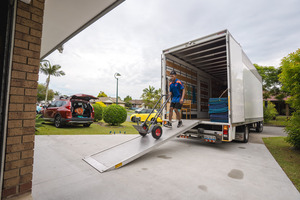
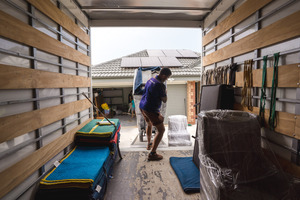
As the loading process begins, your role is to supervise and be available to answer any questions. While the movers are trained to load the truck strategically, your oversight ensures nothing is missed. They will typically place major furniture pieces and heavy boxes at the bottom and front to create a stable base.
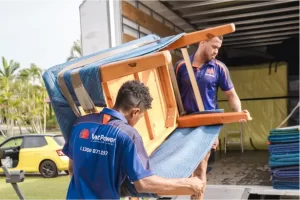
Make sure the crew is aware of all fragile items so they can be handled with special care. It’s also important to confirm that furniture pads and protective wrappings are used on delicate surfaces and corners to prevent damage. Keep an eye on the process to ensure all your belongings are loaded securely.
To help protect your things during loading:
- Clearly point out all boxes marked “fragile.”
- Check that furniture pieces are properly wrapped.
- Ensure items from different areas, like a shed or garage, aren’t overlooked.
- Stay available for any questions the movers may have.
Step 3: Overseeing Transit and Arrival at Your New Brisbane Home
Once the moving truck is fully loaded, it’s time for a final walkthrough of your old home. Check every room, closet, and cupboard to make sure nothing has been left behind. After you’ve locked up, you can head to your new Brisbane home.
During transit, keep your phone on in case the movers need to contact you with updates on their arrival times. Try to arrive at your new address shortly before the truck so you can be there to greet them and show them where to park. This is your first chance to step into your new community as a resident!
Upon arrival, do a quick walkthrough of your new home to decide on furniture placement. This preparation will make the unloading process much faster and more organized, helping you feel settled in your new space right away.
Step 4: Unloading, Initial Setup, and Final Checks
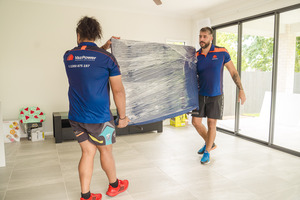
As the unloading begins at your new property, your main job is to direct the movers. Show them where each box and piece of furniture should go. If you used a color-coded system, this part will be a breeze. Ensure there is clear access to all rooms to speed up the process.
While items come off the truck, you can begin the initial setup. Focus on assembling beds and unpacking essentials for the kitchen and bathroom. Before the moving team leaves, perform a final walkthrough. Check your inventory list to confirm everything has arrived in good condition. It’s also a good time to check that utilities are on and test smoke alarms.
Once you are satisfied that all items are accounted for and there is no damage, you can sign the final paperwork. This completes the handover stage of the move.
Settling In: Essential Tasks Upon Arrival at Your New Home
Arriving at your new home is just the beginning. Now the real fun starts: turning this new house into your home. The first day is all about creating a functional and comfortable living space. Don’t try to do everything at once; focus on the essentials first.
Start by directing furniture placement and unpacking the rooms you’ll use immediately, like the bedroom and kitchen. As you begin to settle, take some time to explore your new community and discover local amenities. The next sections offer tips to make this process easier.
Directing Furniture Placement and Unpacking Priorities
When the movers begin unloading, clear direction on furniture placement is key. Having a plan for where large items will go saves you the effort of moving them again later. Guide the movers to place furniture in its final spot in your new home.
Once the furniture is in place, you can start unpacking. Prioritize the essentials. Begin with the kitchen, bathroom, and bedrooms. Unpacking similar items together and putting them away in their designated storage space will help you clear the clutter and feel organized more quickly.
Focus on these priorities first:
- Assemble all beds and make them with fresh linens.
- Unpack the “First Night” box to access toiletries, medications, and snacks.
- Set up the coffee maker and unpack a few mugs and plates.
Setting Up Utilities and Services
You should arrange for your utilities to be connected at your new address before you arrive, but it’s always a good idea to double-check that everything is working. On your first day, confirm that the electricity, gas, and water are on.
Once you’ve confirmed the basics, you can tackle other services. Setting up your internet is often a top priority. Contact your internet provider to get your service activated as soon as possible. This is also a good moment to update your new address with your insurance company and other important contacts.
Essential service setups include:
- Confirming electricity, water, and gas are active.
- Testing smoke alarms and carbon monoxide detectors.
- Contacting your internet provider to schedule setup.
Quick Tips for Feeling at Home and Staying Organized
Feeling at home in a new space takes time, but there are simple things you can do to speed up the process. A great way to start is by adding personal touches. Hang a few familiar pictures, lay down a favorite rug, or arrange some books on a shelf. These small actions make a space feel like your own.
Staying organized is the best way to avoid feeling overwhelmed. A good idea is to unpack one room at a time. As you unpack, find permanent homes for your belongings. This helps clear the clutter and makes your new house feel more livable.
Here are a few quick tips:
- Set up your bedroom first for a restful night’s sleep.
- Introduce yourself to your neighbors.
- Explore your new community to find parks and local shops.
- Host a small housewarming party to celebrate.
- Becoming part of the community will make you feel at home faster.
Conclusion
In summary, moving day can be both exciting and overwhelming, but with the right preparation, it can go smoothly. By understanding the key milestones, preparing essential supplies, and organizing your tasks effectively, you can ensure a successful transition to your new home. Remember to communicate with your movers, keep important items accessible, and take time to settle in and make the space your own. Whether it’s your first move or your fifth, a little planning goes a long way. If you need further assistance, don’t hesitate to reach out for help. Happy moving!
Frequently Asked Questions
How early should you start your moving day to stay on schedule?
Starting your moving day with an early morning rise is highly recommended. Aim to be up and ready at least an hour or two before your movers are scheduled to arrive. This gives you time for right preparation, like reviewing your moving checklist before the action begins on your move date.
What should be included in a moving day checklist?
A good moving checklist should include your movers’ contact information, a game plan for the day, and a list of tasks. Make sure it reminds you to keep your essentials box and important documents separate. It’s also helpful for tracking inventory and ensuring you label boxes correctly for each room.
What happens during the handover or completion stage on moving day?
The handover stage happens after unloading at your new address. You’ll do a final walkthrough of your new home to check that all items have arrived in good condition. Once you’re satisfied, you will sign the final paperwork provided by the moving company, officially completing the move.
What are some essentials you shouldn’t forget to keep accessible?
Always keep an essentials box with you. It should contain items for your first night, like toilet paper, basic toiletries, a change of clothes for everyone, medications, phone chargers, and important documents. This ensures you have everything you need without searching through boxes after a long day.