

Introduction
Planning a move involves budgeting for various expenses, but some costs can catch you by surprise. One of these is the “long carry” fee. If you’ve never heard this term, you’re not alone. However, understanding what it is and why a moving company charges for it is crucial for a smooth and financially predictable relocation. This guide will break down everything you need to know about a long carry, helping you see why it might appear on your final invoice and how you can prepare for it.
Understanding the Long Carry in Brisbane Moving Services
When you hire professional movers for your Brisbane relocation, they base their initial quote on a standard set of conditions. A long carry fee is an additional charge that applies when those conditions aren’t met, specifically concerning the distance from the truck to your door.
This isn’t a hidden fee designed to trick you. Instead, it’s a standard adjustment for the extra work required. Your removalists have to cover more ground with every item, which increases labor time and physical effort. Let’s look closer at what defines a long carry and the common situations that cause it.
What Defines a Long Carry in the Moving Industry
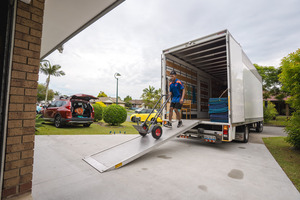
In the moving industry, a “long carry” is defined by a specific distance that the crew must cover on foot between the moving truck and the entrance of your home. Most moving companies have a standard distance, often around 75 feet, included in their base price. If the movers are forced to park further than this, the long carry fee comes into play.
The fee is not just about the walk itself. Carrying heavy furniture and boxes over longer distances significantly increases the time and physical exertion needed for the job. This is different from charges for flights of stairs, which is another accessorial fee that accounts for vertical challenges.
The exact distance that triggers the fee can vary between companies, so it’s always a good idea to ask your moving company about their specific policy. The building layout and parking availability are the primary reasons your move might involve these longer distances, directly impacting the total cost.
Common Scenarios That Result in Long Carry Fees
You might be wondering what specific situations lead to these extra fees. Long carry charges can apply to both local and interstate moves and are almost always related to access issues at your pickup or delivery location. Understanding these scenarios can help you anticipate the costs.
The building layout and parking situation are the most frequent culprits. For example, if you live in a large apartment complex, the distance from the only available parking spot or loading dock to your front door might be substantial. The same applies to houses on streets where a large moving truck can’t get close.
Here are a few common scenarios that often result in a long carry fee:
- Moving into or out of apartment buildings with long hallways.
- Living on narrow roads where the truck cannot park directly in front of your home.
- City restrictions that prevent the truck from parking close by, even if you have parking permits.
- Navigating around obstacles or difficult landscaping that extends the walking path.
How Long Carry Affects Your Moving Costs in Queensland
In Queensland, as elsewhere, a long carry fee will increase your final bill. It’s an operational charge that reflects the real-world conditions of your move. While it might not appear on your initial estimate unless you’ve flagged the access issues, it will be added to the final invoice if the movers encounter a long carry situation on moving day.
This is why clear communication with your moving company is so important. By providing accurate details about your property’s access, you help the company create a more precise quote from the start. This prevents the charge from feeling like a surprise and ensures your budget is realistic. Now, let’s explore the factors that determine the final charge and how movers calculate it.
Factors That Determine the Final Long Carry Charge
The final long carry charge isn’t an arbitrary number. A moving company calculates it based on a few key factors that directly relate to the increased workload. The primary elements are the weight of your shipment and the distance the crew has to carry it.
A mover typically charges a certain rate per 100 pounds of your shipment for a specified distance. This means a heavier shipment will incur a higher long carry charge than a lighter one, even if the distance is the same. The extra effort involved in the heavy lifting is what you are paying for. The time of delivery can also be a factor if the extended carrying time pushes the job into overtime.
To give you a clearer idea, here’s how the calculation might be structured:
|
Factor |
How It Affects the Cost |
|---|---|
|
Shipment Weight |
The heavier your belongings, the higher the fee. |
|
Carry Distance |
The fee increases as the distance beyond the standard limit grows. |
|
Company Tariff Rate |
Each mover has a set rate, often per 100 lbs per X feet. |
|
Crew Size |
More labor may be needed, influencing the overall hourly cost. |
How Movers in Brisbane Calculate Long Carry Costs
Professional movers in Brisbane use a standardized calculation to determine the long carry fee, ensuring fairness and consistency. The process usually starts when the crew realizes the moving truck cannot be parked within the standard inclusion distance, typically 75 feet from your door.
The calculation itself is often based on the total weight of your belongings. The removalists will have a set rate in their tariff, which is a price per hundredweight (100 pounds) for every foot beyond the free-carry distance. For example, if your shipment weighs 5,000 pounds and the carry is 150 feet (75 feet over the limit), you would be charged for the excess distance multiplied by the weight.
This amount is then added to your final bill. If you’ve been transparent about potential access issues, your mover might include an estimated long carry fee in your quote. However, if the situation is unexpected, it will be an additional charge determined on moving day, impacting the quote you initially received.
Why Do Moving Companies Charge for Long Carry?
A moving company implements a long carry fee not to inflate your bill, but to account for the significant increase in labor, time, and logistical complexity. A standard move is priced with the assumption of efficient access. When that changes, the entire dynamic of the job is altered.
The charge is a fair compensation for the extra physical strain on the crew and the additional time it takes to complete the move safely. It’s a direct reflection of the resources being used. The next sections will explain the specifics of the labor involved and how property layouts can create these challenging situations.
Labor, Time, and Logistics Involved in Long Carries
The primary reason for a long carry fee is the substantial increase in labor. Carrying a heavy sofa 50 feet is one thing; carrying it 200 feet is a completely different task. The extended distance multiplies the physical effort required for every single item, from the lightest box to the heaviest piece of furniture. This increases worker fatigue, which in turn elevates the risk of accidents or damage.
Furthermore, time is a critical factor in the logistics of moving. A long carry can add hours to a job that was scheduled to take a specific amount of time. This delay can affect the moving company’s schedule for the rest of the day. The fee helps compensate for this disruption and the additional hours the professional movers spend on your job.
Ultimately, the charge covers the real costs associated with the increased demands of the move. The heavy lifting over a longer path requires more stamina and careful coordination, and the long carry fee ensures the crew is compensated for this more intensive work.
The Impact of Building Layouts and Parking on Charges
Your property’s building layout and the available parking are the two most significant factors that can trigger a long carry fee. Even if you have parking permits, a moving truck may be too large to navigate certain streets or fit into designated spots, forcing it to park a block away.
Apartment buildings are notorious for causing long carry situations. The journey from the loading dock, through a lobby, down a long corridor, and to your front door can easily exceed the standard distance. Similarly, homes set far back from the road with long, winding driveways that a large truck cannot use will also result in this fee.
Consider these common scenarios:
- High-rise apartment buildings where the service elevator is far from the loading area.
- Gated communities with strict rules about where commercial vehicles can park.
- Houses on hills with long sets of exterior stairs or pathways leading to the entrance.
Being upfront about these details helps your mover provide an accurate quote that includes any potential long carry fee.
Conclusion
In conclusion, understanding the concept of a long carry is essential when planning your move in Brisbane. It not only impacts your budget but also helps you better prepare for the logistical challenges involved in relocating. With the right knowledge, you can anticipate any potential long carry fees and make informed decisions that align with your moving strategy. By considering building layouts, parking availability, and the specific requirements of your move, you can minimize unexpected charges and streamline the process. Remember, being proactive in understanding these aspects will lead to a smoother and more cost-effective moving experience. If you have any questions or need assistance, feel free to reach out for a free consultation!
Frequently Asked Questions
What Distance Qualifies as a Long Carry for Movers?
The distance that qualifies for a long carry varies by moving company, but a common industry standard is anything over 75 feet. If your removalists must carry your belongings for longer distances than this from the truck to your front door, you can expect to see extra fees on your final bill.
How Can I Avoid or Minimize Long Carry Fees When Moving?
To minimize a long carry fee, try to secure the closest possible parking for the professional movers. Reserve a loading dock or parking space in advance if you can. Informing your movers about potential access issues beforehand allows them to plan accordingly and give you a more accurate quote, preventing surprises.