
Introduction
Moving to a new house can be an exciting time, but it also comes with its share of stress. One of the biggest worries is often the packing process, especially when it involves your fragile items. You might be concerned about your valuable possessions getting damaged along the way. The good news is that with proper packing techniques and a careful approach, you can ensure even your most delicate belongings arrive at your new home in one piece.
Understanding the Importance of Packing Fragile Items Safely
Packing fragile items correctly isn’t just about avoiding a few broken plates; it’s about protecting your cherished memories and valuable investments. These delicate items often hold sentimental or monetary value, and the risk of breakage during a move is high if they aren’t properly secured. The constant jostling and handling that boxes endure can easily lead to cracks, chips, or complete shattering if you don’t take extra precautions.
Taking the time to pack your breakables with care provides invaluable peace of mind. Instead of worrying about the condition of your belongings, you can focus on the excitement of settling into your new space. For those who want guaranteed safety, professional packing services can handle these delicate tasks with expertise. The best way to pack dishes to prevent them from breaking is to wrap each plate individually in bubble wrap, pack them vertically in a sturdy box, and fill any gaps with crumpled paper to stop them from shifting.
Common Types of Fragile Items to Protect During a Move
When you think of fragile items, glassware and dishes might be the first things that come to mind. However, many other household items require special attention during a move. Your delicate possessions can range from electronics to artwork, and each type requires a specific packing strategy to ensure its safety.
Identifying these valuable items ahead of time is a key part of successful packing. Take a walk through your home and make a list of everything that could be easily damaged. This will help you gather the right materials and allocate enough time for the job.
Some common fragile items include:
- Delicate glassware and stemware
- Plates, bowls, and china sets
- Picture frames, mirrors, and artwork
- Lamps, vases, and other decorative objects
Risks of Improper Packing When Moving in Brisbane, Queensland
Cutting corners when packing your fragile belongings can lead to significant problems. The risk of damage is the most obvious consequence of improper packing. A poorly packed box can easily result in shattered glass, chipped china, or broken electronics, turning your moving day into a stressful and disappointing experience.
Beyond the emotional toll of losing sentimental possessions, there’s also the monetary value to consider. Replacing expensive or irreplaceable items can be a serious financial burden. The cost of proper packing supplies is a small price to pay compared to the potential expense of replacing your fragile belongings.
Ultimately, taking extra care with your packing saves you stress and money in the long run. When packing fragile items, you should avoid using weak or old boxes, leaving empty spaces inside packed boxes, and forgetting to label them clearly as “FRAGILE.” A little bit of careful planning ensures your possessions arrive safely.
Essential Packing Supplies for Fragile Items
To protect your delicate belongings, you need more than just any old cardboard box. Gathering the right packing supplies is the first step toward a damage-free move. High-quality materials are your best defense against bumps, drops, and vibrations during transit.
Make sure you have a good stock of packing paper, bubble wrap, strong packing tape, and packing peanuts. These supplies work together to create a protective cushion around your items. Using the right materials from the start will make the entire packing process smoother and more effective.
Recommended Materials for Maximum Protection
Choosing the best packing material is crucial for giving your fragile goods maximum protection. While it might be tempting to use old newspapers or towels, materials designed specifically for moving offer superior defense. Bubble wrap is excellent for individually wrapping items, while packing paper is perfect for filling hollow spaces and adding layers of cushioning.
Different protective materials serve different purposes. Packing peanuts are great for filling large voids in boxes, preventing items from shifting around. Foam sheets can provide a soft, non-abrasive layer for delicate surfaces like screens or picture frames. Using a combination of these materials ensures every item is snug and secure.
Here are some recommended materials and their uses:
|
Material |
Best Use For |
|---|---|
|
Bubble Wrap |
Wrapping individual items like glasses, plates, and electronics. |
|
Packing Paper |
Stuffing hollow items (vases, glasses) and creating layers. |
|
Packing Peanuts |
Filling empty spaces in boxes to prevent shifting. |
|
Sturdy Boxes |
Containing and protecting all your packed fragile items. |
|
Packing Tape |
Securing bubble wrap and sealing boxes firmly. |
Choosing the Right Box Sizes and Liners
The box you choose is just as important as the packing material inside it. Using the right box sizes is key to preventing damage. Smaller boxes are generally better for heavy, fragile items because they are easier to carry and less likely to be overloaded. A sturdy cardboard box will provide the structural integrity needed to protect its contents.
Before placing any items inside, always line the bottom of the box with a soft layer of packing material. You can use crumpled packing paper, bubble wrap, or even towels to create a cushion. This initial layer absorbs shock from the bottom and provides a soft base for your fragile belongings.
Here are a few tips for choosing boxes:
- Use small boxes for heavy items like books or plates to keep the weight manageable.
- Select medium-sized, sturdy boxes for things like glassware or small appliances.
- Always inspect boxes for any signs of weakness or water damage before using them.
Step-by-Step Guide: How to Pack Fragile Items for a Move
Now that you understand the importance of proper packing and have your supplies ready, it’s time to start the packing process. Following a step-by-step guide ensures you don’t miss anything and that every item receives the careful handling it needs. This systematic approach provides extra protection and makes the job feel less overwhelming.
Even if you plan to hire professional movers for the heavy lifting, packing your own fragile items can give you added confidence. The following steps will walk you through how to prepare, wrap, and organize your delicate belongings for a safe journey to your new home.
Step 1: Prepare Your Packing Area and Gather Materials
The first step in any successful packing endeavor is preparation. Designate a clean, flat, and spacious area for packing, like a large dining table or a clear section of the floor. A clutter-free workspace helps you stay organized and reduces the risk of accidents. Having everything you need within arm’s reach will streamline the process and prevent you from feeling rushed.
Gather all your packing supplies before you begin. This includes your packing boxes, bubble wrap, packing paper, tape, and markers. Using quality materials is an investment in protecting your valuables. Careful planning at this stage sets the foundation for a smooth and stress-free packing experience.
By having your packing material and boxes ready to go, you can focus on one task at a time. This methodical approach is far more effective than scrambling for supplies mid-wrap. A well-prepared packing station is your command center for getting the job done right.
Step 2: Wrap Each Item Individually and Secure Properly
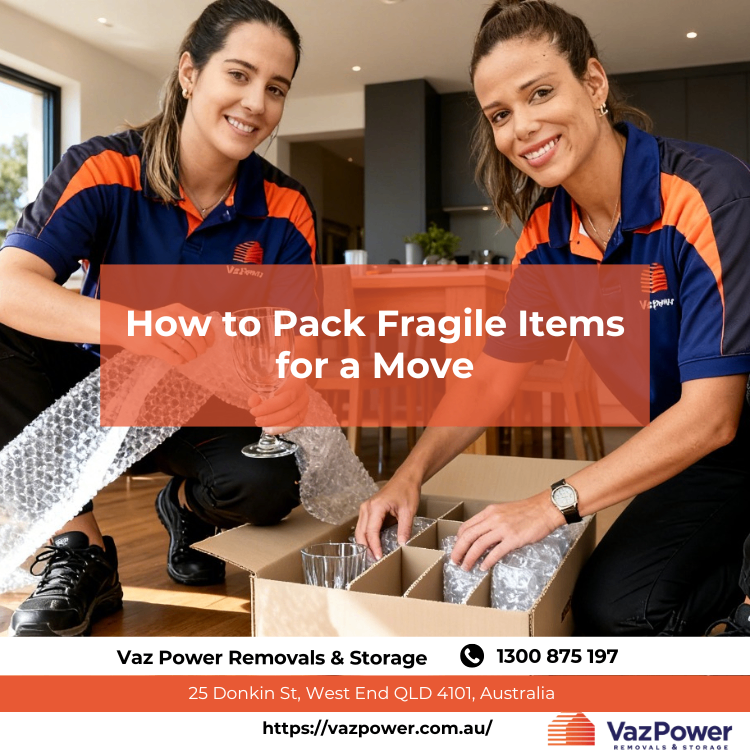
When it comes to fragile items, individual attention is key. You should wrap items one by one to prevent them from knocking against each other during transit. Start by wrapping each piece in packing paper or bubble wrap. For items with delicate surfaces, a soft layer of packing paper first can prevent scratches before you add bubble wrap.
Once an item is wrapped, use packing tape to secure the wrapping. This prevents the protective layers from coming undone and keeps the item snug. For hollow items like glasses or vases, stuff them with crumpled packing paper before wrapping the outside. This provides internal support and helps absorb vibrations.
Here’s a quick guide for wrapping:
- Wrap each glass, plate, or delicate object on its own.
- Use plenty of tape to ensure the bubble wrap or paper stays in place.
- If an item has a detachable part, like a lid, wrap it separately.
Step 3: Organize, Layer, and Label Boxes for Safe Transport
How you place items in the box is just as important as how you wrap them. Always start by placing the heaviest items at the bottom of the box. This creates a stable base and prevents lighter, more delicate items from being crushed. Add a layer of crumpled packing paper between layers of items for extra cushioning.
As you fill the box, pack items snugly but not so tightly that they are under pressure. Fill any remaining empty space with packing peanuts or more crumpled paper to prevent shifting. Before sealing, give the box a gentle shake. If you hear or feel items moving, add more padding. Finally, label boxes clearly. Write “FRAGILE” in large, bold letters on multiple sides of your fragile boxes so movers know to handle them with extra care.
To keep your packing process organized:
- Label boxes with their contents and the room they belong in.
- Use arrows to indicate “This Side Up.”
- Set fragile boxes aside to be loaded onto the moving truck last.
Conclusion
In conclusion, packing fragile items for a move doesn’t have to be a stressful experience. By following the steps outlined in this guide—from gathering the right materials to securely wrapping and labeling each item—you can ensure that your precious belongings arrive at their new destination intact. Remember, taking the time to pack carefully not only protects your items but also gives you peace of mind during the moving process. If you’re feeling uncertain or need help, don’t hesitate to reach out for professional assistance. Happy moving!
Frequently Asked Questions
How can I tell if I packed my fragile items securely enough for transport?
After packing a box, gently shake it. If you don’t hear or feel anything shifting inside, your fragile items are likely secure. The goal of proper packing is to use enough packing material to eliminate movement, giving you extra protection and peace of mind.
What’s the best way to label boxes with fragile items for movers?
Use a thick, dark marker to write “FRAGILE” in large letters on the top and on at least two sides of the fragile boxes. You can also add “Handle with Care” and draw arrows indicating which side should face up. This clear labeling ensures professional movers give them extra care.