
Introduction
Moving is often seen as one of life’s more stressful events, but it doesn’t have to be. With the right approach, you can transform the moving process from chaotic to controlled. What if you could simplify everything and make your transition to a new home surprisingly efficient? Whether you’re moving on short notice or just want to minimize the hassle, this guide is packed with essential packing tips. Get ready to learn how to pack and unpack like a pro for a smoother experience.
Essential Tips for Packing and Unpacking Like a Pro
Turning the daunting task of moving into a manageable project starts with a smart strategy. The key is to approach the packing process with organization and forethought. By breaking down the job into smaller steps, you can avoid feeling overwhelmed and ensure a smooth transition into your new house.
From gathering the right packing supplies to labeling moving boxes effectively, every step you take can make the unpacking process much easier. Let’s look at some proven tips that will help you pack efficiently and set you up for success.
1. Start Early and Create a Packing Timeline
Procrastination is your biggest enemy when it comes to moving. The best way to avoid last-minute stress is to start the packing process well before your moving date. Creating a packing timeline can help you stay on track and manage your time effectively. Begin by setting a clear start date, ideally a few weeks in advance.
Break down the large task of packing your entire home into smaller, more manageable goals. For instance, you could dedicate specific days or weekends to certain rooms. Start with areas you use the least, like guest rooms, attics, or basements. This allows you to pack away non-essential items early without disrupting your daily routine.
As your moving date gets closer, you can tackle the more frequently used spaces. Having a structured timeline ensures a steady pace, prevents you from feeling overwhelmed, and makes sure all your packing boxes are ready to go when the moving truck arrives.
2. Declutter Before You Pack
Why move items you no longer need, use, or love? The moving process is the perfect opportunity to declutter and lighten your load. Going through your belongings before you pack can significantly reduce the volume of items you have to move, saving you time, money, and effort. Be ruthless in your decision-making.
A good idea is to sort your belongings into different categories to make the process easier. As you go through each room, create piles for items you want to:
- Keep
- Donate
- Sell or discard
This simple sorting system helps you make quick decisions and clear out unwanted clutter efficiently. You’ll have fewer things to pack, move, and unpack, which simplifies the entire moving process. Plus, starting fresh in your new home with only the things you truly value feels fantastic.
3. Gather High-Quality Packing Supplies
Running out of packing supplies mid-pack can bring your momentum to a screeching halt. Before you begin, make sure you have all the necessary packing materials on hand. Investing in high-quality moving boxes, strong packing tape, and proper padding like bubble wrap will protect your belongings during transit.
Having a variety of supplies is crucial. Different items require different kinds of protection, so stock up on more than just boxes and tape. A well-prepared packing station will make the entire process faster and more organized.
Here’s a quick list of essential packing supplies to get you started:
|
Supply |
Purpose |
|---|---|
|
Sturdy Boxes (various sizes) |
For packing all your belongings; use small ones for heavy items and large ones for light items. |
|
Packing Tape |
To securely seal all moving boxes. |
|
Bubble Wrap/Packing Paper |
For wrapping and protecting fragile items from breaking. |
|
Markers/Labels |
To clearly label the contents and destination room of each box. |
|
Box Cutter/Scissors |
For opening boxes and cutting tape or wrap. |
4. Group Items by Room and Category
A room-by-room packing strategy is a game-changer for staying organized. By focusing on one area at a time, you can prevent the chaos of mixing items from different parts of your house. Pack all the items from the living room together, then move on to the kitchen, and so on. This method ensures that all similar items end up in the same place.
This approach makes unpacking incredibly efficient. When you arrive at your new home, you can place boxes in their designated rooms, making it easy to find what you need. Imagine trying to set up your kitchen when your pots and pans are scattered across boxes labeled “Bedroom” and “Bathroom.” Keeping things grouped avoids this headache.
Involve your family members by assigning them specific rooms to pack. This not only speeds up the process but also helps everyone feel involved. Clearly labeling the contents of each box with its room destination will be a lifesaver for you and your movers.
5. Use the Right Box Sizes for Different Items
It might seem logical to put as much as possible into larger boxes, but this can be a big mistake. The key to safe and efficient packing is to match the box size to the items you’re packing. Use smaller boxes for heavy items like books, tools, and canned goods. This keeps the boxes manageable to lift and reduces the risk of them breaking open.
On the other hand, larger boxes are perfect for lighter items that are bulky. Think pillows, blankets, comforters, and lampshades. Filling a large box with heavy items makes it nearly impossible to move and increases the chance of injury or damage.
By strategically using different-sized moving boxes, you create a balanced and secure load. This thoughtful approach not only protects your belongings but also makes the job of loading and unloading the moving truck much easier for everyone involved. Remember, pack smarter, not harder.
6. Label Boxes Clearly for Easy Unpacking
Labeling your boxes may seem like a small step, but it’s one of the most critical for a stress-free unpacking experience. Use permanent markers to clearly label each box with its destination room and a brief description of its contents. This simple act saves you from randomly opening boxes to find what you need.
To take your organization to the next level, consider a more detailed labeling system. Being specific will be a huge help when you’re looking for a particular item in your new home. For example, instead of just “Kitchen,” write “Kitchen – Pots and Pans.”
Here are a few tips to make your labeling system even more effective:
- List key contents: Briefly note what’s inside (e.g., “Guest Bathroom – Towels, Soaps”).
- Number your boxes: Keep track of the total number of boxes for each room (e.g., “Living Room – Box 1 of 5”).
- Mark fragile boxes: Clearly write “FRAGILE” on boxes containing delicate items.
7. Protect Fragile Items with Bubble Wrap or Padding
When it comes to moving, few things are more disappointing than unpacking to find your favorite vase or dishware in pieces. Give your fragile items the extra care they deserve. Never pack delicate belongings without proper protection. Materials like bubble wrap and packing paper are your best friends for this task.
Wrap each fragile item individually. For glassware and dishes, use packing paper to cushion each piece before stacking them carefully in a box. Fill any empty spaces with more crumpled paper or other soft materials to prevent items from shifting during transport. This extra padding acts as a shock absorber against bumps on the road.
Remember to clearly mark these boxes with “FRAGILE” on all sides. This alerts your movers—and yourself—to handle these boxes with caution. Taking a few extra minutes to properly protect your breakables provides peace of mind and ensures they arrive at your new home in one piece.
8. Pack Heavier Items at the Bottom of Boxes
One of the golden rules of packing is to always place heavy items at the bottom of your moving boxes. This simple yet effective technique helps create a stable base and prevents lighter, more delicate belongings from being crushed under the weight. Think of it like bagging groceries—you wouldn’t put a watermelon on top of your eggs.
Start by placing your heaviest and largest items in the box first. Then, you can layer lighter items on top. This method not only protects your belongings but also makes the boxes more balanced and easier to carry. An unbalanced box is more likely to tip over or be dropped.
Following this rule is one of the most fundamental packing tips for a successful move. It ensures the structural integrity of your packed boxes and safeguards the contents inside. A well-packed box is a safe box, making the entire moving process smoother and less prone to accidents.
9. Prepare an “Essentials” Box for Your First Night
After a long moving day, the last thing you want to do is hunt through dozens of boxes for your toothbrush or toilet paper. This is where an “essentials box” (or suitcase) becomes your lifesaver. This box should contain all the essential items you’ll need for your first night and morning in your new home.
Pack this box last and make sure it’s the first thing you unload from the moving truck. Keep it in a separate, easily accessible place, like the front seat of your car. Having these necessities on hand will make your first night significantly more comfortable and stress-free.
What should you include? Here are a few key items:
- Basic toiletries (toothbrush, toothpaste, soap, toilet paper)
- A change of clothes and pajamas for each family member
- Medications, phone chargers, and important documents
- Basic kitchen supplies like a coffee maker, mugs, and snacks
10. Keep Important Documents and Valuables Separate
During the chaos of the moving process, it’s easy to lose track of small but crucial items. Your important documents and valuables should never be packed away in a random box on the moving truck. Items like passports, birth certificates, social security cards, lease agreements, jewelry, and sentimental keepsakes need special handling.
Designate a specific bag or small box for these items and keep it with you at all times. Transporting them in your personal vehicle instead of with the rest of your belongings ensures they don’t get lost, damaged, or misplaced. This is one of the most common mistakes people make, and it can cause immense stress.
Knowing exactly where your most vital possessions are provides incredible peace of mind during a move. You won’t have to worry about them ending up in a storage unit or getting mixed up with other boxes. Keep them close, and you’ll have one less thing to stress about.
11. Use Suitcases and Bags for Heavy or Bulky Items
Before you buy a mountain of new boxes, look around your home for existing containers you can use. Suitcases and duffel bags are perfect for the packing process. Their sturdy construction and wheels make them ideal for transporting heavy items like books, shoes, or small appliances without the strain of lifting.
Using your luggage is a smart way to save money on packing supplies and reduce the total number of cardboard boxes you need. Fill your suitcases with clothes, but also consider them for other items. Duffel bags are great for soft, bulky things like pillows, blankets, and towels, saving valuable space in the moving truck.
This dual-purpose strategy is both efficient and economical. You have to move your luggage anyway, so why not make it work for you? By packing these bags strategically, you can cut down on costs and streamline your move.
12. Seal Liquids and Toiletries to Prevent Spills
A single leaky bottle of shampoo or cleaning solution can create a huge mess and damage other items in your moving boxes. To avoid this common moving mishap, take a few extra precautions when packing toiletries and other liquids. The best trick is to unscrew the cap, place a small piece of plastic wrap over the opening, and then screw the cap back on tightly.
For an extra layer of protection, you can also use packing tape to seal the caps shut. Once sealed, place all your liquid items together in a waterproof container or a box lined with a trash bag. This containment strategy ensures that even if a small leak occurs, it won’t spread to other belongings.
This simple step can save you from a frustrating cleanup job upon arrival. It’s a common mistake to just toss these items in a box and hope for the best, but a little prevention goes a long way in keeping your move mess-free.
13. Plan for Special Items like Electronics and Artwork
Not everything can be simply placed in a standard box. Items like electronics and artwork require special attention and extra care to ensure they arrive safely. If you still have the original packaging for your electronics, that’s your best option. These boxes were designed to protect the items perfectly.
If you don’t have the original boxes, use sturdy moving boxes and plenty of padding. Wrap electronics in bubble wrap and fill any gaps with packing paper to prevent them from moving around. For artwork, specialty crates or picture boxes offer the best protection.
Here are some quick tips for these special items:
- Take photos: Snap a picture of the back of your electronics to remember how the cables are connected.
- Wrap securely: Use bubble wrap for electronics and moving blankets or specialty crates for valuable artwork and antiques.
- Label clearly: Mark these boxes as “FRAGILE” and indicate which side is up.
14. Avoid Overpacking Boxes
It can be tempting to stuff as much as you can into each box to minimize the number of packing boxes you use. However, overpacking is a common mistake that can lead to disaster. Boxes that are too heavy are difficult and dangerous to lift, increasing the risk of back injuries and dropped items.
An overstuffed box is also structurally weak. The seams can split, and the bottom can give out, sending your belongings crashing to the floor. It’s much safer to use more boxes than to risk injury or damage. As a rule of thumb, a packed box should not weigh more than 40-50 pounds.
Instead of cramming everything into a few large containers, distribute the weight evenly. Use small boxes for heavy things and larger boxes for light, bulky items. This makes the heavy lifting easier and ensures your boxes can be stacked securely in the moving truck without crushing those on the bottom.
15. Schedule Utility Setups for Your New Home
Packing isn’t just about boxes; it’s also about preparing for life in your new home. One of the most important pre-move tasks is scheduling your utility setups. You don’t want to arrive at your new address after a long day of moving to find there’s no electricity, water, or internet.
Contact your new utility providers a few weeks before your move to arrange for services to be turned on. This includes electricity, gas, water, internet, and cable. Provide them with your move-in date to ensure everything is active on your first day. At the same time, schedule the disconnection of services at your old home.
Taking care of this in advance will give you enormous peace of mind. Walking into a home with working lights and running water makes the transition much smoother. It’s one less thing to worry about, allowing you to focus on unpacking and settling in.
Pro Strategies for Packing Fragile and Specialty Items
Some of your most cherished possessions are often the most delicate. Packing fragile items requires more than just a standard box; it demands extra care and the right techniques. From family heirlooms to expensive electronics, these delicate items need special handling to ensure they survive the move without a scratch. Professional packers know that using the right materials and methods is key.
Whether it’s using bubble wrap generously or investing in custom crates, taking these extra steps is crucial. Let’s explore some pro-level strategies for packing your most valuable and breakable belongings safely.
Using Specialty Crates for Artwork and Antiques
For truly irreplaceable items like valuable artwork and antiques, a standard cardboard box simply won’t do. These items require the highest level of protection, which is where specialty crates come in. These custom-built wooden crates are designed to fit your item perfectly, providing a rigid shell that protects against impacts, pressure, and vibrations during transit.
When packing artwork or antiques, it’s essential to give them extra care. Wrap the item in acid-free paper to protect its surface, followed by several layers of bubble wrap or a moving blanket. The item should then be placed snugly inside the custom crate, with additional padding used to fill any gaps.
While you can build these crates yourself, it’s often best to leave this task to professional movers. They have the expertise to construct crates that offer maximum protection, ensuring your most prized possessions arrive at your new home in pristine condition.
Wrapping Kitchenware and Glassware Safely
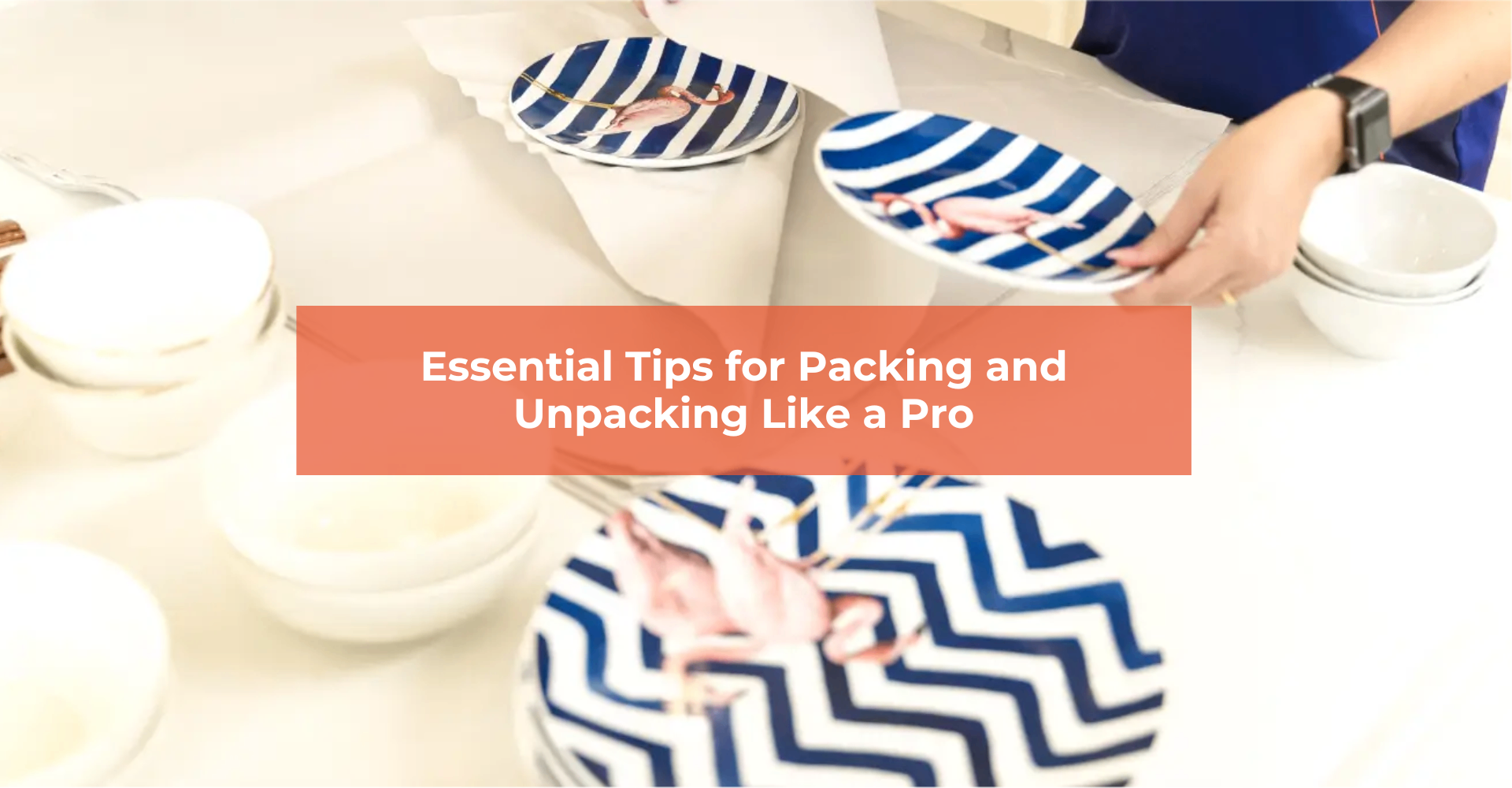
The kitchen is often one of the most challenging rooms to pack due to the sheer number of fragile items. Plates, glasses, and bowls require careful handling to prevent chipping and breaking. The key is to wrap each item individually and provide plenty of cushioning. Packing paper is excellent for this purpose.
Start by laying a sheet of packing paper on a flat surface. Place a plate in the center, fold the corners of the paper over it, and then stack another plate on top, adding a new sheet of paper for each one. Once you have a small stack, wrap the entire bundle with more paper or bubble wrap.
When placing these kitchen items in a box, always stack plates and bowls vertically, like records in a crate. They are much stronger this way and less likely to break. Fill all empty spaces with crumpled paper or dish towels to stop the fragile items from shifting.
Packing Electronics Securely for Transport
Your electronics, from your TV to your computer, are both valuable and delicate. The best way to pack them is by using their original packaging if you still have it. These boxes were specifically designed with custom foam inserts to hold the items securely during shipping. It’s the safest option available.
If the original packaging is long gone, don’t worry. You can still pack your electronics securely. Choose a sturdy box that is slightly larger than the item. Wrap the electronic device in several layers of bubble wrap and place it in the box. Fill all surrounding gaps with packing paper, towels, or foam to prevent any movement.
Before you unplug everything, take a quick photo of the cable connections to make reassembly easier. Keep all cords, remotes, and accessories with their corresponding devices by placing them in the same box. This simple step will save you from a major headache during the moving process.
Organization Hacks for Efficient Packing and Unpacking
A little organization during the packing process can make a world of difference when it’s time to unpack. Instead of facing a sea of identical brown boxes, you can create a system that tells you exactly where everything is. This level of preparation turns an overwhelming task into a manageable one.
From creating a detailed inventory list to using a simple color-coding system, these organization hacks will give you peace of mind and make the unpacking process much faster. Let’s look at how you can streamline your move.
Creating a Moving Inventory Checklist
A moving inventory checklist is your master guide to the entire packing process. This list helps you keep track of every single box and its contents, ensuring nothing gets left behind or lost in transit. While it takes a little time to create, an inventory list is invaluable for an organized move.
You can create a simple list in a notebook or use a spreadsheet on your computer. As you pack each box, assign it a number and record it on your list along with its contents and the room it belongs to. This creates a detailed record of all your belongings.
Here’s how an inventory list helps:
- Accountability: You’ll know exactly how many boxes you have and what’s in them.
- Insurance: It serves as a record for insurance purposes in case of loss or damage.
- Prioritization: You can easily identify which boxes to unpack first when you arrive at your new place.
Color-Coding and Numbering Boxes
If you’re a visual person, color-coding your boxes can make the unpacking process incredibly simple. This labeling method allows you to identify which room a box belongs to with just a quick glance. Assign a different color to each room in your new home and mark the boxes accordingly.
You can use colored tape, stickers, or markers to implement this system. For example, all kitchen boxes could be marked with green tape, while bedroom boxes get blue tape. Place a corresponding colored sticker on the doorframe of each room in your new home so movers know exactly where to put everything.
Combine this with a numbering system for ultimate organization:
- Assign colors: Blue for the master bedroom, yellow for the kitchen, red for the living room, etc.
- Number each box: As you pack a room, number the boxes sequentially (e.g., “Kitchen 1,” “Kitchen 2”).
- Create a key: Keep a simple chart that matches colors to rooms for easy reference.
Conclusion
Packing and unpacking can be a daunting task, but with the right strategies, it can become a seamless experience. By planning ahead, decluttering, and using quality supplies, you can make the process efficient and stress-free. Remember to label your boxes clearly and prepare an essentials box for your first night in your new home. These tips not only save you time but also ensure that your prized possessions arrive safely. Embrace the journey of moving by staying organized and calm. If you’re interested in more personalized moving advice, feel free to reach out for a free consultation!
Frequently Asked Questions
What is the best way to unpack and set up your new home quickly?
To speed up the unpacking process, start with your essentials box. Then, tackle one room at a time, beginning with the kitchen and bathrooms. Get family members involved to make the work go faster. Focus on getting main living areas functional before moving on to organizing your new space completely.
How do professional movers recommend handling last-minute packing?
Professional movers suggest focusing on priorities during a last-minute packing process. Declutter as you go, pack an essentials bag first, and don’t worry about perfection. Use readily available packing supplies like towels for padding. The goal is to get everything safely ready for moving day, even if it’s not perfectly organized.
Are there common mistakes to avoid when packing or unpacking?
Yes, common mistakes include overpacking moving boxes, which makes them too heavy to lift, and failing to properly cushion fragile items. Another error is not labeling boxes clearly, which complicates the unpacking process. Following simple packing tips can help you avoid these pitfalls and protect both your belongings and your back.